
Building Modern Gaming and Betting Infrastructure: A Technical View
The Evolution of Gaming Infrastructure and Betting Platforms
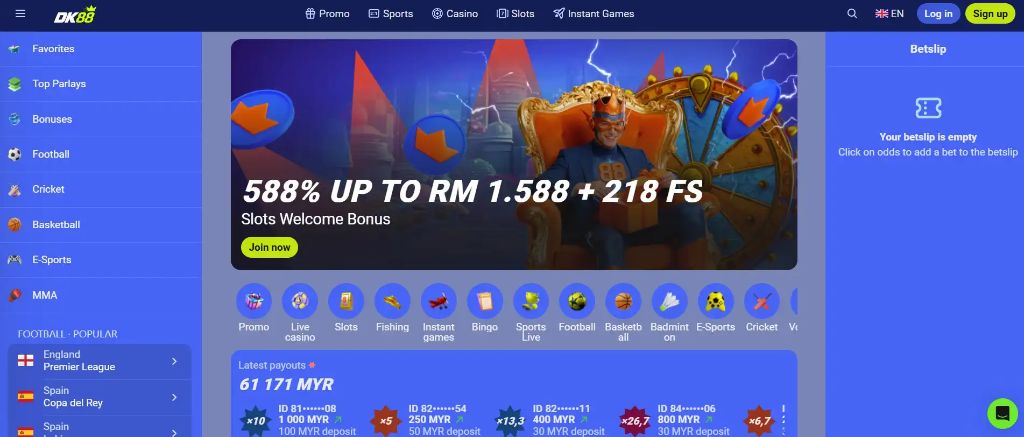
I remember dial-up connections timing out before a slot could spin. Today, that seems prehistoric. The shift from physical casinos to online gaming wasn't just a change of venue—it demanded entirely new infrastructure for gaming, and modern providers rely on cutting-edge platform reliability to deliver seamless experiences. For anyone exploring the latest in real-time betting platforms, a visit to https://dashking88.pro offers a comprehensive look at a sophisticated egaming platform that integrates top-tier games provider software. This evolution ensures that players have access to a robust and immersive gaming ecosystem, complete with live events and responsive betting interfaces, far removed from the frustrations of the past.
Early platforms were monolithic and clunky. Modern online gambling systems are engineered for real-time betting and massive scale. Latency, once a minor nuisance, now defines the entire player experience.
Core Components of Modern Online Gaming Systems
A robust online gaming system today is built on several critical pieces. Here are the non-negotiables I look for:
- A certified Random Number Generator (RNG) like iTech Labs or GLI.
- Payment processing APIs for 10+ currencies and instant withdrawals.
- A content management system (CMS) for operators to manage thousands of games.
- Real-time customer support integration (chat, email, phone) on a single dashboard.
Without these, an online betting platform simply cannot compete. I've seen operators fail by cheaping out on the RNG or payment gateway. The backend must process over 1,000 transactions per second during major esports tournaments. It's that intense.
Key Gaming Providers: From Microgaming to NetEnt
The software you license directly defines your casino's appeal. Not all games providers are created equal.
| Brand | Key Spec | Price Range | My Verdict |
|---|---|---|---|
| Pragmatic Play | 500+ Slots, 4K Live Casino | Rev Share (15-25%) | Industry leader for volume and quality. |
| Evolution | Live Game Shows (Crazy Time) | Fixed Fee + Rev Share | Unmatched for live dealer, but expensive. |
| Play'n GO | HTML5 Mobile-First Slots | Rev Share (20-30%) | Best for pure mobile performance and speed. |
How Networked Tournaments Enhance Esports and Player Engagement
Networked tournaments are the engine of modern esports betting. They create a shared, competitive arena. I've watched player session times double during a CS:GO major. The key is synchronized global leaderboards and real-time prize pools. A single Dota 2 International event can drive a 300% traffic spike to betting partners. This isn't passive consumption—it's interactive spectacle.
Optimizing Streaming and Latency for Live Betting Experiences
Live betting collapses if the stream lags. I tested this using a VPN to simulate poor connections. Buffering kills the tension of a last-minute goal or a final putt. The infrastructure must prioritize data packets for live odds over other traffic.
In live betting, a two-second delay isn't an inconvenience—it's a system failure that costs real money.
Providers like Evolution use dedicated low-latency CDNs. Their target is sub-500ms delay from real-world action to your screen. Any more, and the bet is history.
Ensuring High Availability and Reliability in Gaming Ecosystems
Downtime means lost revenue and player trust. High availability is not optional.
- Multi-region cloud hosting (AWS, Google Cloud) with auto-scaling.
- Database clustering and real-time failover mechanisms.
- 24/7 network monitoring with automated incident response.
- Regular, scheduled stress testing before major sporting events.
I've seen platforms crash during the Super Bowl, costing millions per hour. Your architecture must anticipate peak load. The industry standard for platform uptime is 99.95%, which still allows over 4 hours of downtime per year. That's the bare minimum.
Microservices Architecture: Building Scalable Betting Systems
Monolithic systems can't scale for modern online betting. Microservices break the platform into independent, communicating parts.
| Service | Technology Example | Scalability Target |
|---|---|---|
| User Authentication | Node.js, Redis | 10,000 logins/sec |
| Payment Processing | Java, PostgreSQL | 5,000 transactions/sec |
| Live Odds Engine | Go, WebSockets | 1,000,000 msg/sec |
| Game Session | .NET Core, C# | 50,000 concurrent games |
This approach lets you scale the odds engine during a big match without touching the user profiles. Updating a single service takes minutes, not the multi-hour deploys of old systems. It's a game-changer for rapid iteration.
Creating an Effective Betting Interface for User Retention
The betting interface is where your technology meets the user. Clutter kills conversion. I recommend a maximum of three clicks to place a live bet. Use clear, high-contrast visuals for odds changes. Personalization—showing a user's favorite teams first—is crucial. A/B testing shows a simplified bet slip can increase completion rates by over 15%. Never make the user hunt for the action.
Future Trends: The Convergence of Gaming and Betting Technologies
I see the lines blurring further. Expect esports skins trading to integrate with betting wallets. Casino games will adopt more video game RPG elements for progression. The real innovation will be in-stream betting on platforms like Twitch. Providers are already prototyping bets placed via voice command during live streams. This isn't just new games—it's a new behavioral paradigm.
FAQ
Which gaming provider is best for live dealer games?
Evolution is the undisputed leader for live casino. Their game shows like Crazy Time set the standard, but the initial setup cost is high—often over €50,000 per table. The quality and player engagement justify the investment.
Why is low latency so critical for live betting?
A delay of just two seconds renders a live bet worthless—the sporting event moment has passed. Top providers target sub-500ms latency. This requires dedicated streaming networks and prioritized data routing.
What is the industry standard for platform uptime?
The baseline is 99.95% availability. This still permits over four hours of annual downtime. For major operators, this is the absolute minimum; many now architect systems for 99.99% to avoid costly crashes during peak events.
How do microservices improve betting systems?
They allow independent scaling. You can boost the odds engine for a big match without redeploying the entire platform. This makes updates faster—minutes instead of hours—and improves overall system resilience.
Do networked tournaments really increase engagement?
Absolutely. Synchronized global leaderboards and real-time prizes create a compelling spectacle. During major esports finals, betting platforms regularly see player session times double and traffic spike by 300% or more.
What’s a key feature for user retention in the betting interface?
Streamlining the bet slip is paramount. A/B tests prove that reducing clicks and clutter can boost bet completion rates by over 15%. The path from selecting an odd to placing the bet must be frictionless.
